
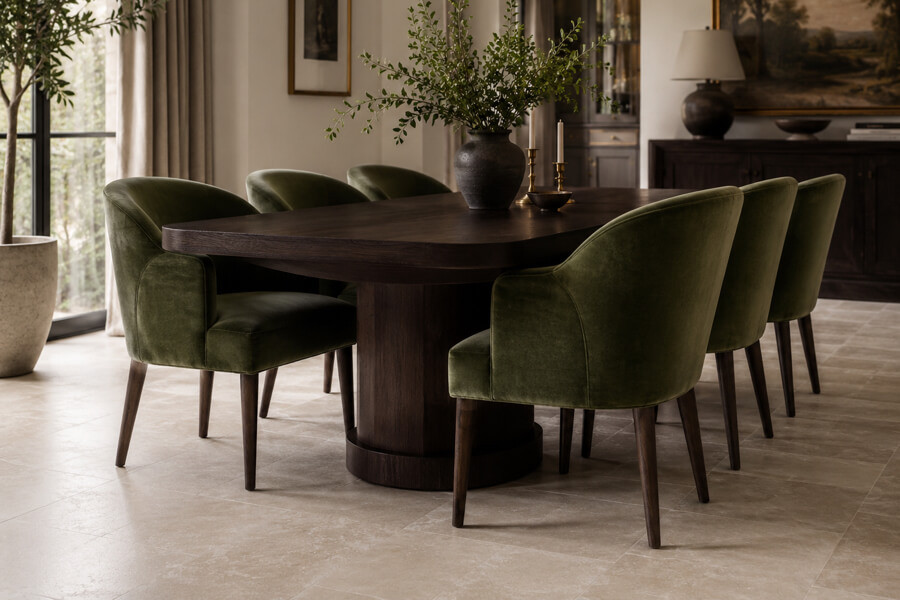
Choosing new flooring is one of the most transformative decisions you can make for your home. It creates the foundation for every room, quietening or amplifying the visual energy of the space. When you begin matching your floors with your favorite furniture pieces and fabric textures, a room begins to feel cohesive. Aligning these elements turns a collection of separate items into a unified interior design. Exploring how wood grains, carpet textures and fabric weaves interact allows you to curate spaces that feel comfortable.
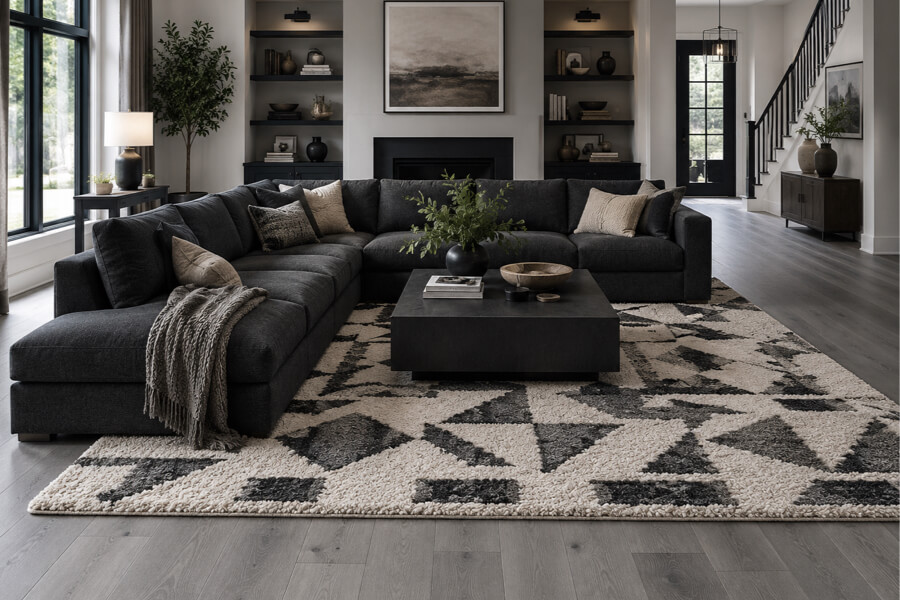
The relationship between what is underfoot and what you sit on dictates the visual weight of a room. Striking the right balance is about understanding how undertones, scales, and materials talk to each other. By looking at your home as an interconnected ecosystem of textures and tones, you can select combinations that make your spaces look grounded and proportioned.
Master the Art of Wood Grains and Timber Tones
When you are working with hardwood, wood-look luxury vinyl plank, or laminate, the dominant timber tone acts as the canvas for the rest of your decor. The secret to a sophisticated look lies in identifying the underlying temperature of the flooring. Oak, maple, and hickory often carry subtle yellow, gold or gray undertones, while cherry and walnut offer deeper red or rich brown bases. Matching furniture to these surfaces does not mean finding a replica of the wood species, rather, it requires a pairing of complementary temperatures.
If your flooring features a dramatic grain pattern with high contrast, such as a character-grade hickory, your furniture should offer the eye a place to rest. Solid-colored upholstery and clean, minimal wood frames prevent the space from feeling chaotic. Conversely, a smooth, uniform floor like select-grade maple grants you the freedom to introduce carved furniture, bold grain variations, and textured fabrics.
Contrast also plays an essential role in keeping a room from looking washed out or overly dark. Placing a dark espresso leather sofa directly onto a walnut floor can cause the furniture to visually disappear into the ground. Introducing a lighter wood coffee table or a woven textile creates a necessary buffer, ensuring each piece retains its distinct identity.
Explore Texture Contrast with Carpeting and Fabrics
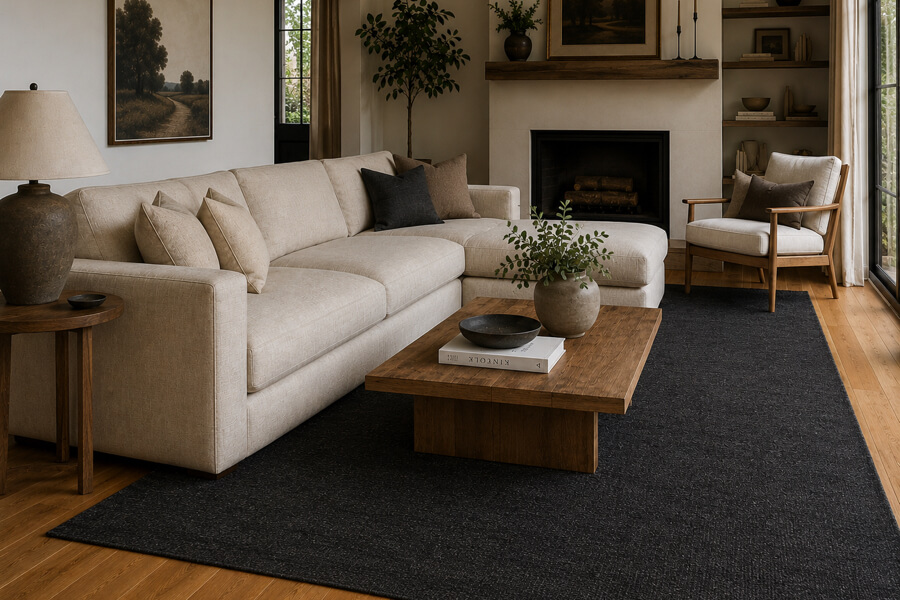
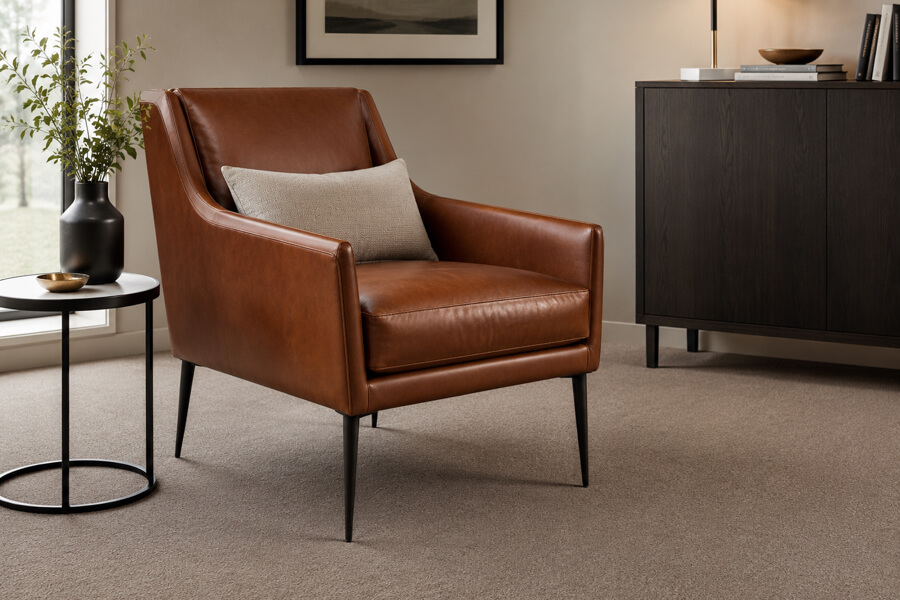
carpet introduces a soft tactile element that fundamentally changes how furniture looks and feels. The depth of the pile determines how light interacts with the room, which directly affects how your upholstery fabrics behave. A low-profile loop carpet, like a classic Berber, offers a clean and tailored surface. This structured backdrop supports smooth leather chairs, sleek polished metals, and linen-wrapped accent pieces.
Plush textures require a different approach to maintain visual balance. Deep twist carpets or dense saxonies invite comfort but can overwhelm a room if paired with excessively bulky furniture. To keep the space feeling airy, consider grounding thick carpets with furniture that features exposed legs. Elevating sofas and armchairs just a few inches off a high-pile carpet lets light pass underneath, preserving a sense of spaciousness.
Patterned carpets present an opportunity to draw out specific accent colors from your existing upholstery. A subtle geometric or textured trellis carpet can mirror the lines of a striped armchair or a tufted headboard. Keeping the scale of the carpet pattern either significantly larger or smaller than the fabric patterns prevents the elements from competing for attention.
Balance Distinct Materials Across Living Spaces
Achieving balance in a large living room involves looking at the room from a standing perspective to see how the floors flow into your vertical surfaces. Stone and tile floors bring an organic, permanent quality to a home, but their hard surfaces can occasionally feel echoing or cold if left unassisted. Velvet, chenille and chunky boucle fabrics introduce a necessary warmth, softening the strict lines of grout joints and polished porcelain.
For homes with open floor plans, the transition between different flooring materials dictates how you arrange your furniture layout. When your kitchen tile meets your living room hardwood, your furniture placement can either highlight or soften that border. Aligning the back of a sectional sofa with the flooring transition cleanly defines the seating zone without requiring a physical wall.
Mindful consideration of leg finishes also ties disparate elements together. If your flooring has a strong gray undertone, choosing furniture legs in brushed steel, pale oak, or black matte lacquer helps tie the piece to the ground. Golden finishes and warm brass accents, on the other hand, pair with rich honey-toned woods and warm travertine tiles.
Define Open Areas with Rugs and Large Scale Furniture
In wide open living concepts, a vast expanse of uniform flooring can sometimes feel intimidating or unfinished. Area rugs serve as the bridge between your flooring material and your upholstery. They act as a framing device, grouping a sofa, coffee table, and armchairs into a distinct conversation area. To make the arrangement feel deliberate, ensure that at least the front legs of all major furniture pieces sit on the rug.
The color of your area rug should negotiate between the floor underneath and the fabric above. A cream-colored rug placed on a dark oak floor provides a contrast that makes a dark charcoal sofa pop. If you prefer a transition, a rug that sits just two shades lighter or darker than the flooring creates a sophisticated layering effect.
Scale is equally important when coordinating large furniture with wide plank flooring. Wide planks naturally make a room feel larger and more expansive. To complement this architectural feature, choose furniture with clean lines and substantial silhouettes. Delicate, spindly furniture can look lost against exceptionally wide flooring planks, whereas robust, comfortable seating anchors the space perfectly.
Bringing Your Design Vision Together Comfortably
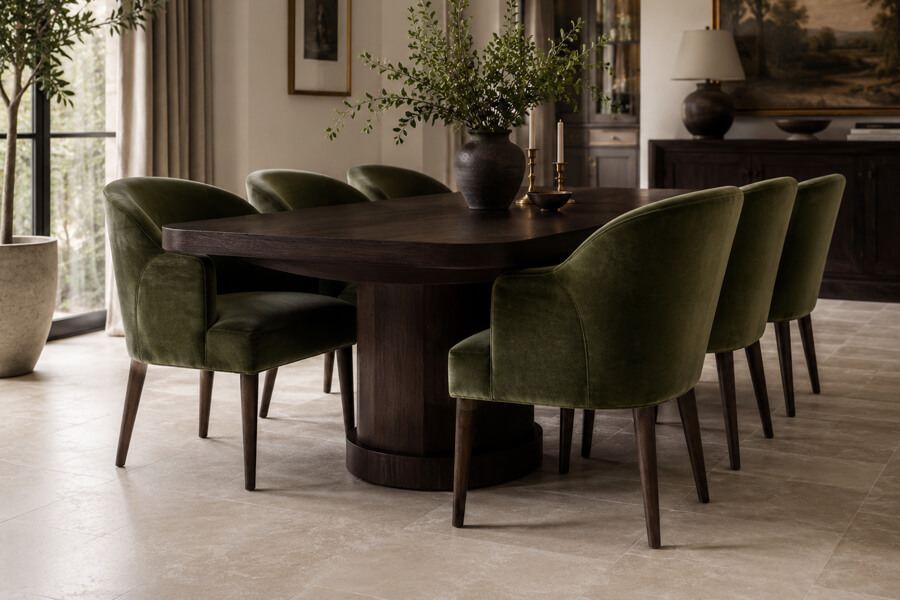
Every room tells a story through the materials you choose to bring into it. By paying close attention to the undertones of your wood floors, the pile heights of your carpets, and the textures of your upholstery, you create a harmonious environment that feels effortless. Trusting your instincts about what makes a space feel inviting is the most reliable guide in home design. When your floors and furniture work together, your home becomes a true reflection of personal style and comfort.
Visualizing how these elements come together in your own home is an exciting step in the remodeling journey. Seeing sample boards next to your fabric swatches in your own lighting is the best way to ensure absolute confidence in your upcoming choices. Taking the time to explore these tactile combinations in person will make all the difference in your final space.
Find Your Perfect Match
At All Floors & More, we’ll help you explore your options and find the right flooring for your home in Cypress, TX. Our team is always here to guide you through matching textures, comparing timber grains and selecting the ideal foundations for your favorite furniture pieces.